
Olympicism in the territory of present-day Serbia officially began on February 10 (February 23 according to the new calendar) in 1910 with the founding of the Serbian Olympic Club.
The Serbian Olympic Club was founded on the initiative of young officers educated in France, among whom Svetomir S. Đukić played a leading role, in the editorial office of the newspaper "Novo vreme" on the fourth floor of the "Moskva" hotel in Belgrade, as the first official Olympic organization among the South Slavs.
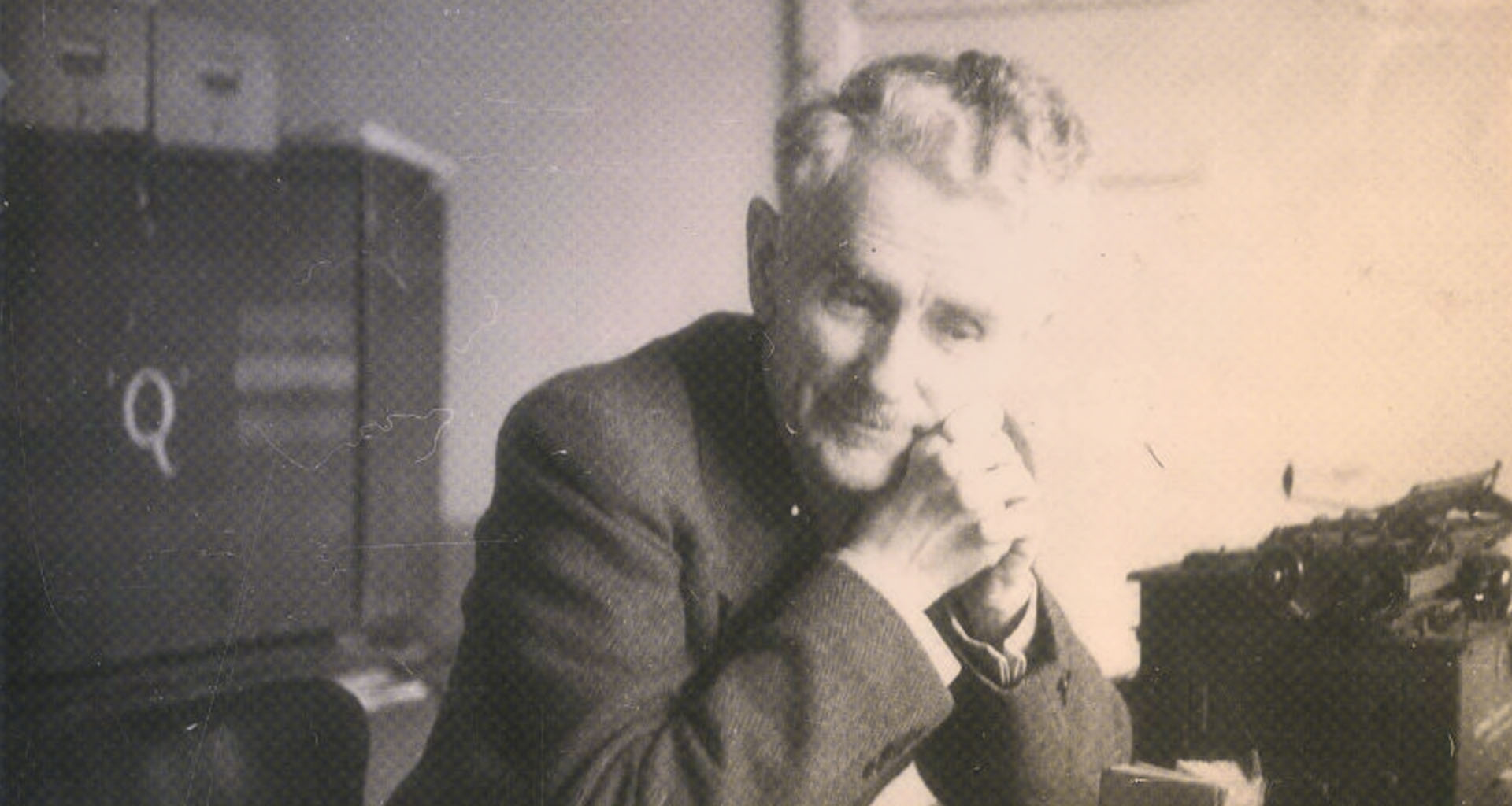
Captain Svetomir S. Đukić was elected director, second lieutenant Miloš Ilić and student Aleksandar Bodi as secretaries, druggist Milosav Jovanović and Captain Milorad Petrović as treasurers, while retired General Nikodije Stevanović was appointed honorary president.
Financial support for the Serbian Olympic Club was provided by "Novo vreme" and the Tramway Company, followed by the Ministry of National Economy, the administration of the Topčider estate and penitentiary, the Ministry of War, the City Command, the Belgrade Municipality, the Gendarmerie Command, Prometna Bank, the Shipping Company, the Military Academy, the Serbian National Theatre, the Circle of Serbian Sisters, Narodna Odbrana and the Royal Court. King Peter often attended competitions, designated a training ground in Košutnjak, and Prince George was a member of the Serbian Olympic Club.
In 1911, the Serbian Olympic Club changed its name to the Central Union Administration or Central Olympic Club and, as later acknowledged by Svetomir Đukić himself, only then—one year after its founding—was it discovered that the International Olympic Committee existed...
The program stated:- to facilitate the establishment of chivalric societies and sports clubs, and to provide moral and material support, both in action and advice, to existing societies and clubs
- to organize national and international Olympic competitions and games
- to organize travel and hiking activities across the homeland and abroad
- to undertake measures to awaken and encourage a chivalric spirit among the people.
The Serbian Olympic Club, most likely at the end of 1911, began preparations for the participation of Serbian athletes at the 1912 Olympic Games in Stockholm.
With government support of 4,000 dinars, the team, led by Svetomir Đukić, departed by train for Stockholm on June 12.
In 1919, the Serbian Olympic Committee became the Yugoslav Olympic Committee, and in 2006 it once again became the Olympic Committee of Serbia.